
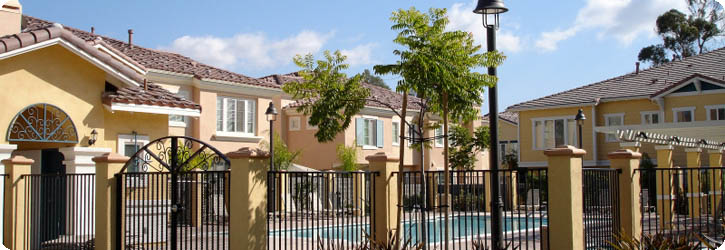
When a resident, guest, or visitor is injured on condominium property as the result of a criminal act — a mugging in the parking garage, an assault in a stairwell, a break-in through an unsecured entry — the association may face a negligent security claim. Under Florida law, condominium associations have a legal duty to maintain their common areas in a reasonably safe condition, and that duty extends to taking reasonable steps to protect people from foreseeable criminal activity. “Foreseeable” is the key word: if similar incidents have occurred on or near your property in the past and the board took no meaningful action, a court may find that the association knew — or should have known — that residents and visitors were at risk. Negligent security is not a fringe legal theory; it is a well-established area of Florida premises liability law, and jury verdicts in these cases can reach into the millions of dollars.
What Makes a Board Legally Vulnerable?
Liability in a negligent security case typically hinges on whether the board acted reasonably given the known risks at the property. Common factors that expose associations include malfunctioning gate access systems that are left unrepaired for extended periods, inadequate lighting in parking areas and walkways, security cameras that are inoperative or not installed in high-risk zones, failure to respond to prior police reports or resident complaints about criminal activity, and inadequate staffing of security personnel when prior incidents put the board on notice. Florida courts look at the totality of circumstances, and what a board knew and did nothing about carries enormous weight. Meeting minutes, maintenance logs, and prior incident reports can all become evidence — which is a strong reason to document not just problems, but the board’s response to them.
Steps Boards Should Take Now
Proactive risk management is the best legal and practical defense. Begin with a security audit of all common areas: parking lots, pool decks, laundry facilities, elevators, stairwells, and entry points. Engage a licensed security consultant or work with your local law enforcement’s community liaison unit, many of which offer free property assessments. Ensure all lighting meets or exceeds Florida Building Code standards and establish a regular inspection schedule. Review your access control systems — gates, fobs, and key codes — and confirm they are functional and that former residents or staff no longer have active credentials. Adopt a formal incident reporting policy so that every security concern raised by a resident is documented, reviewed by the board or a member committee, and responded to in writing. Finally, work closely with your association’s insurance broker to confirm your general liability policy includes adequate coverage for premises liability claims and does not have an exclusion for assault and battery, and ask specifically about your current coverage limits given the size and demographics of your community.
The Bottom Line for Board Members
Negligent security liability can arise in any community where the board fails to take reasonable precautions in the face of known risks. The standard Florida courts apply is not perfection; it is reasonableness. Boards that conduct regular security assessments, respond promptly to reported concerns, maintain their common area infrastructure are in a far stronger legal position than those who wait for an incident to occur. The cost of a security audit and a lighting upgrade is a fraction of the cost of a single lawsuit. Treat security as an ongoing governance responsibility, not a one-time checkbox.